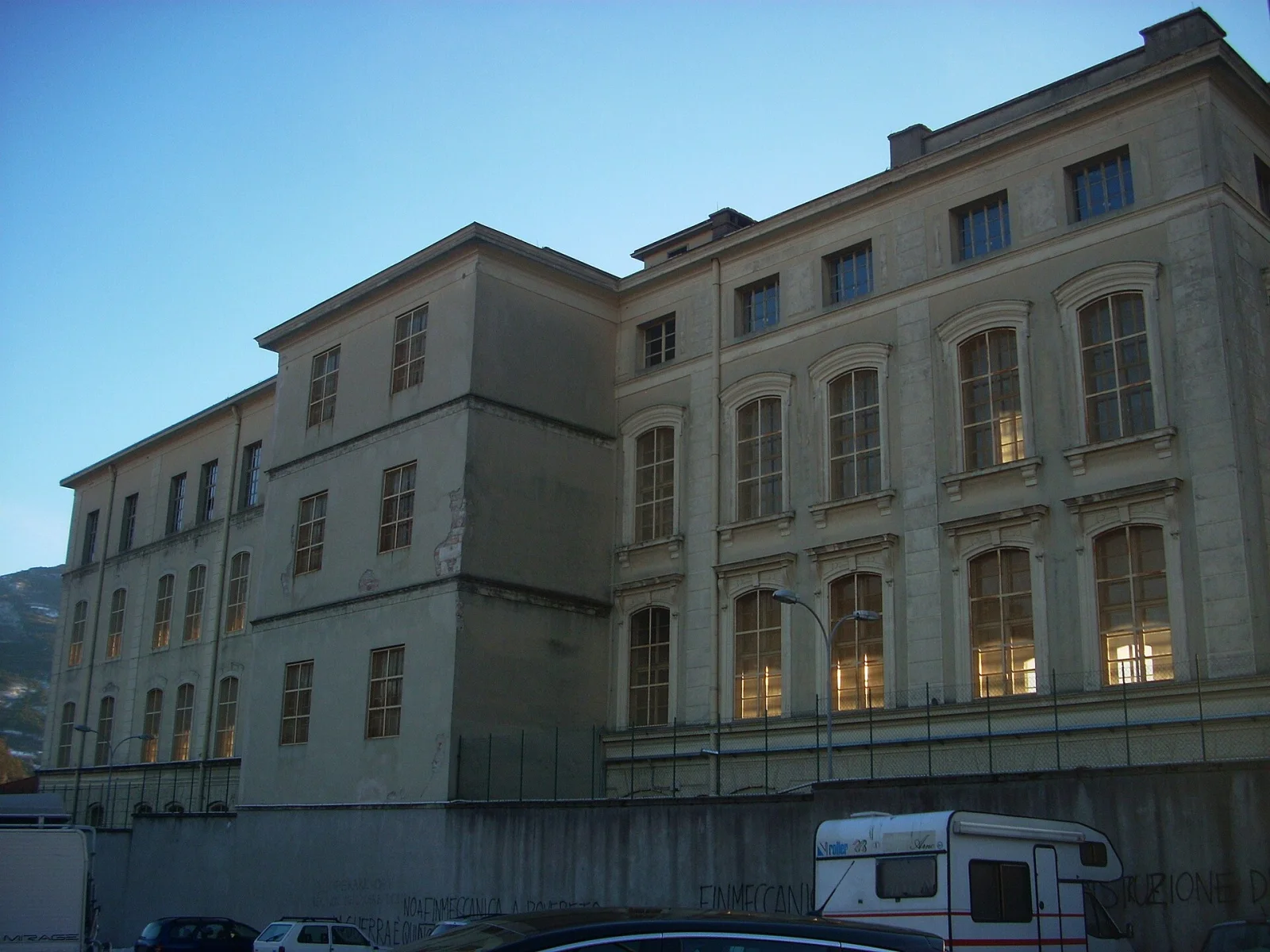
The Museo civico di Rovereto, a foundation since 2013, was born in 1851 as a society of private citizens, when the town and Trentino were part of the Habsburg Empire. It had its first statute in 1853 and opened to the public in 1855. Credit for the initiative goes to the patron and scholar Fortunato Zeni, who left the museum half his estate and the collections of a lifetime. One of the founders' aims was also to protect local heritage from being acquired by Austrian museums: in 1830 an archaeologist from Rovereto had handed his collection to the Ferdinandeum in Innsbruck.
What to see
From the start the museum took two directions: natural sciences and archaeology. Zeni's collections, entomological, numismatic and philatelic, with archaeological and palaeontological finds, form its historic core. The museum is housed in Palazzo Parolari, in borgo Santa Caterina.
The museum is also entrusted with the Lavini di Marco biotope, with the dinosaur trackways discovered in 1990.
Visiting
Opening times, tickets and exhibition sites should be checked on the website of the Fondazione Museo Civico di Rovereto.
Our editors' tip
What is particular about this museum is that it grew out of a project, not out of a large donation like many museums of the time: the donations came later. For more than sixty years it shared the same floor of Palazzo Piomarta with the Tartarotti town library, without ever merging with it.


