Pane di Matera durum wheat semolina bread, thick crust and yellow crumb
Durum wheat semolina, thick crust, shaped as a horn or a tall loaf: Pane di Matera has held Protected Geographical Indication status since 2008.
Read more →Durum wheat semolina, thick crust, shaped as a horn or a tall loaf: Pane di Matera has held Protected Geographical Indication status since 2008.
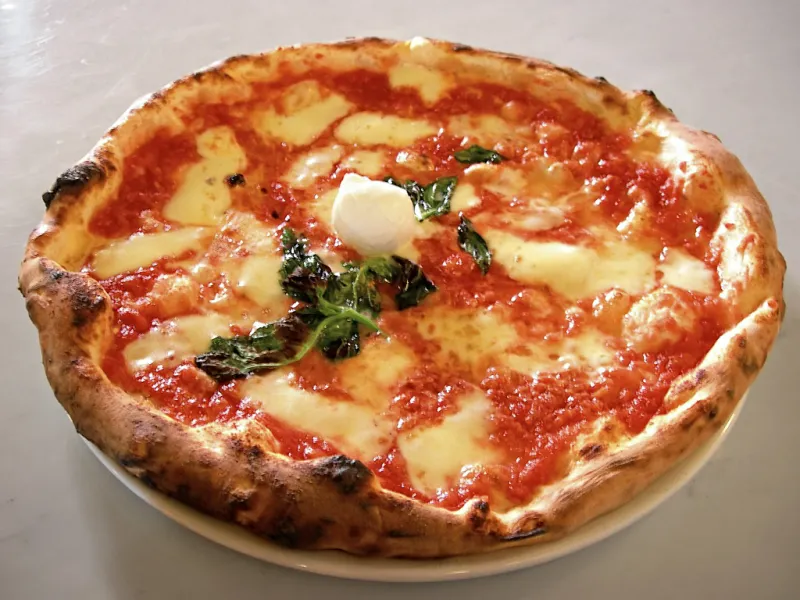
Read more →Hand-stretched dough, tomato, mozzarella and basil, baked in under a minute in a wood-fired oven: Neapolitan pizza is an art recognised by Unesco.
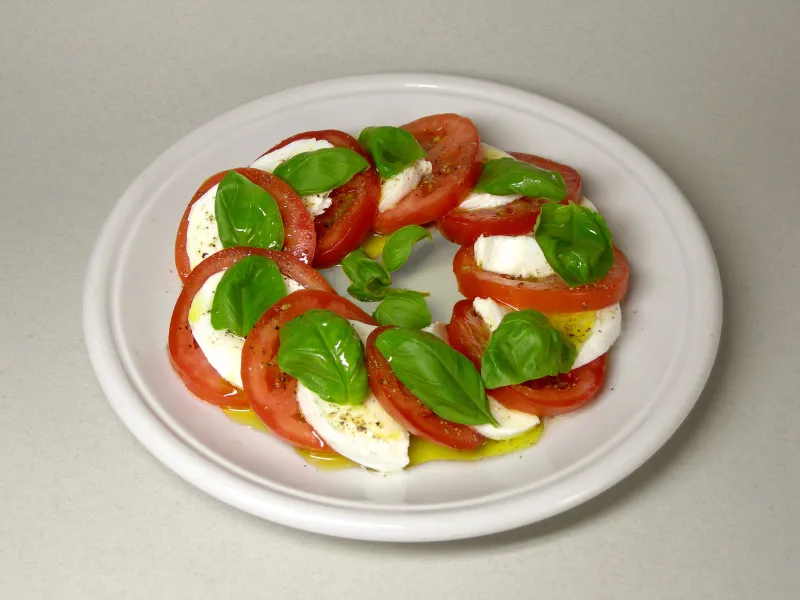
Read more →Sliced tomato, mozzarella and basil, the three colours of the flag: caprese takes its name from Capri, but no document fixes its date of birth.
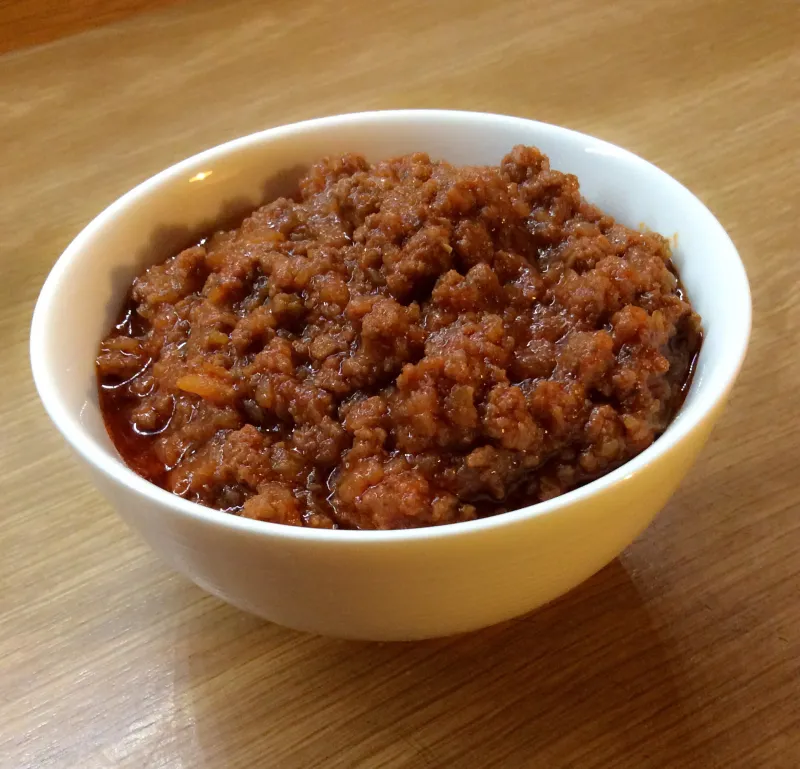
Read more →Ribbons of egg pasta, meat ragù and soffritto: the real bolognese has had a recipe deposited at the Chamber of Commerce since 1982.
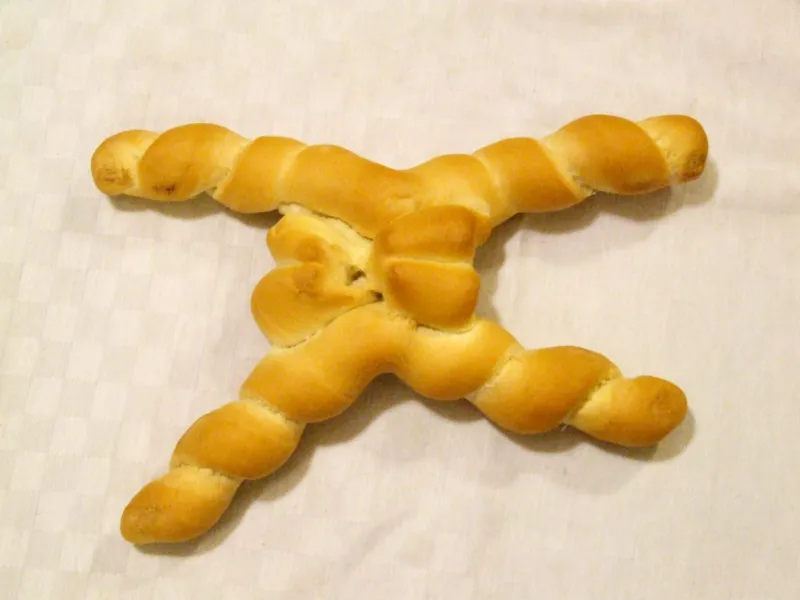
Read more →Flour, lard, oil and sourdough starter, a soft knot at the centre and four thin horns: coppia ferrarese has held Protected Geographical Indication status since 2001.
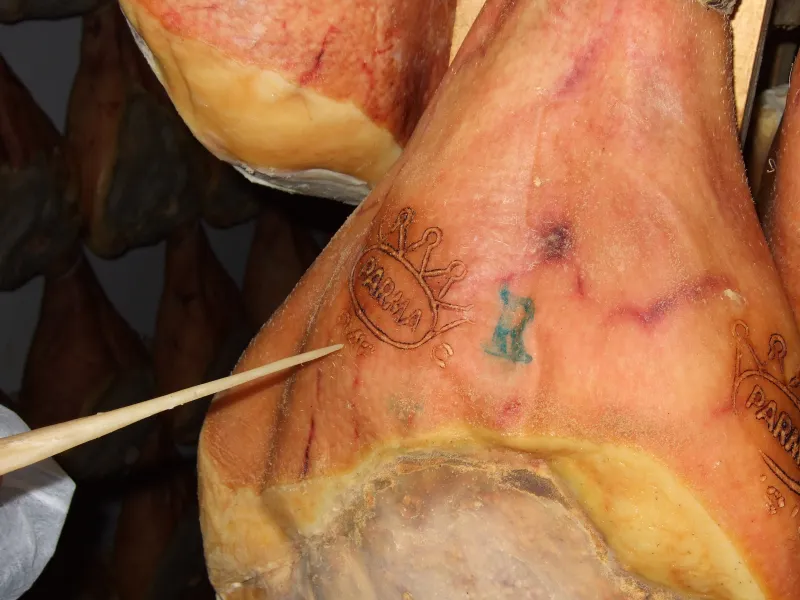
Read more →Only Italian pork and sea salt, aged for at least twelve months: Prosciutto di Parma has held Protected Designation of Origin status since 1996.
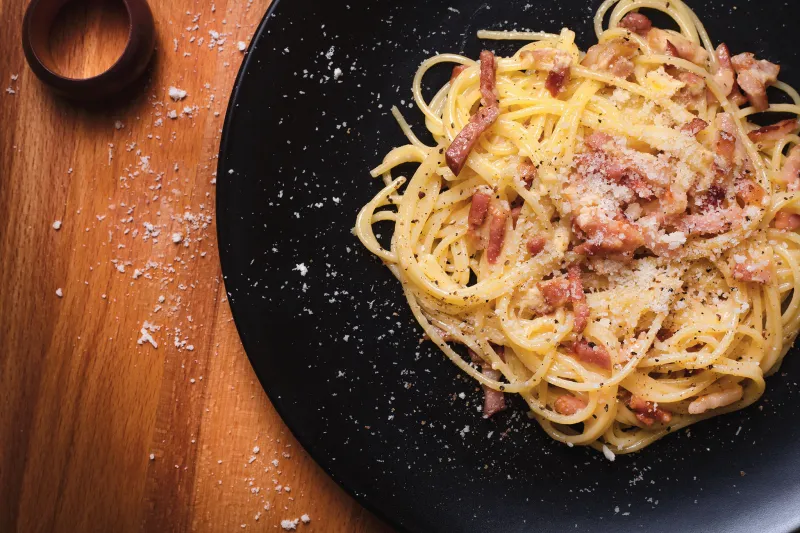
Read more →Guanciale, egg yolk, pecorino romano and black pepper: Rome's signature pasta comes from a recipe fought over between trattorias and army rations.
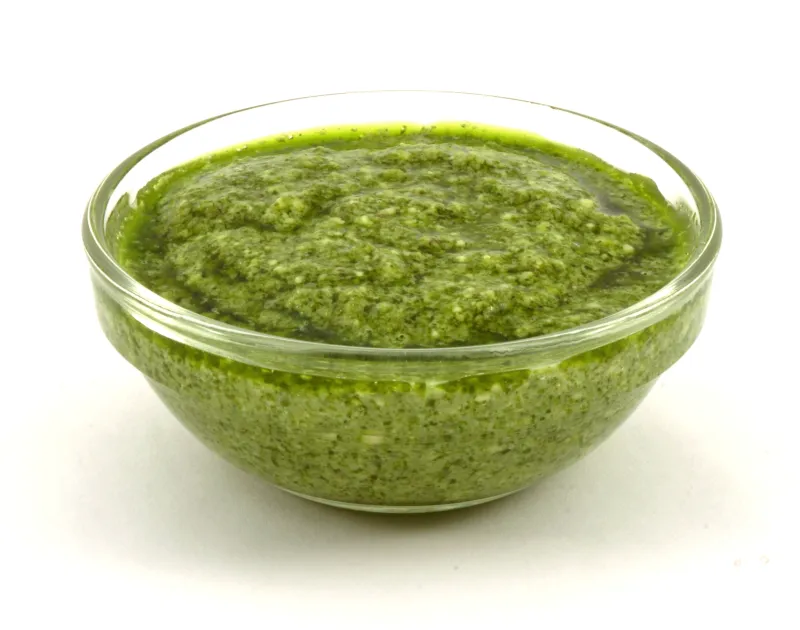
Read more →Basil, garlic, pine nuts, pecorino and oil, pounded in a marble mortar: the sauce that has had a written recipe since 1863, born in Genoa.
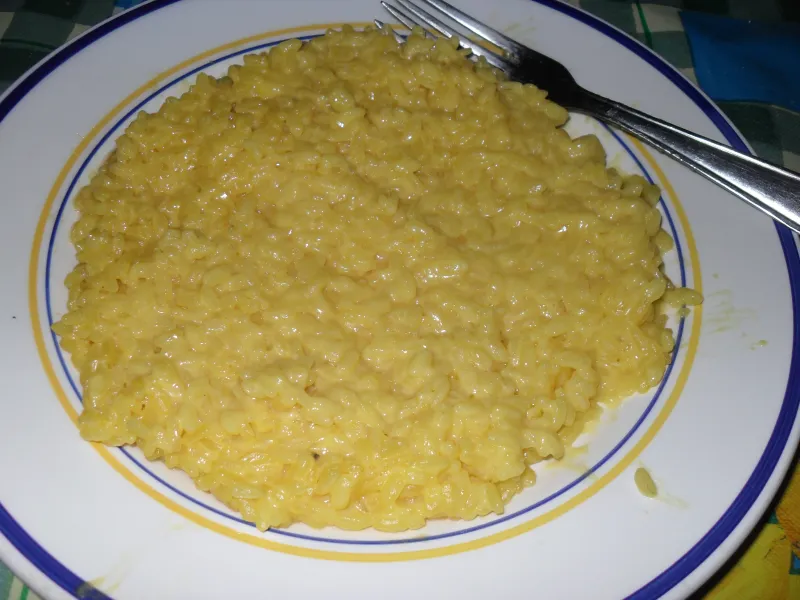
Read more →Rice, saffron, beef marrow and butter: Milan's golden dish, tied by legend to a glassmaker of the Duomo in 1574.
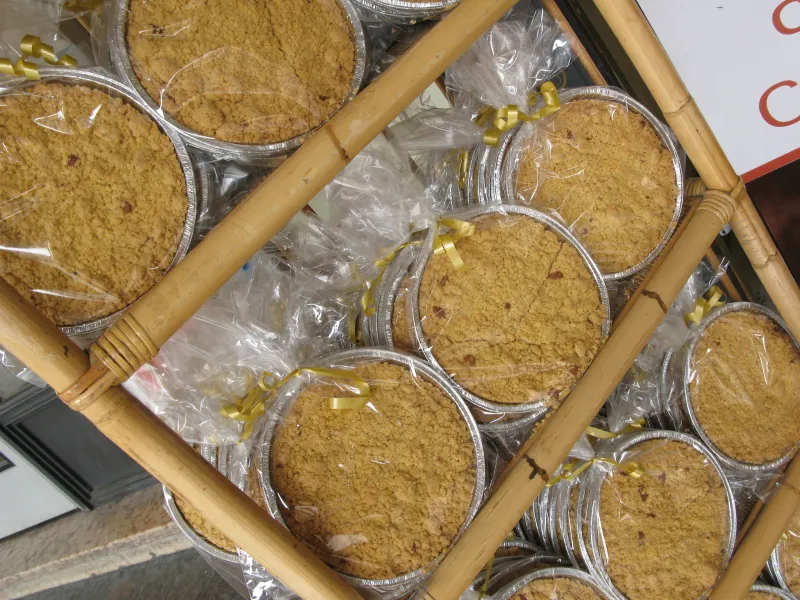
Read more →White and yellow flour, almonds, butter and sugar, broken by hand: sbrisolona is Mantova's cake, already served at the Gonzaga court.
Read more →Sheep's and cow's milk, aged twenty to thirty days: casciotta d'Urbino, Michelangelo's favourite cheese, has been DOP since 1996.
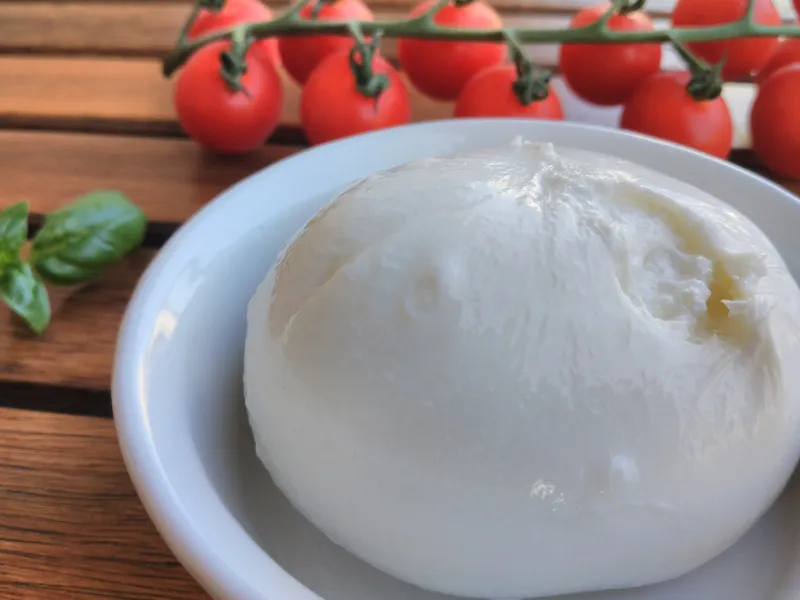
Read more →A pasta filata shell around a heart of cream and stracciatella: burrata was born in Andria around 1920, IGP since 2016.
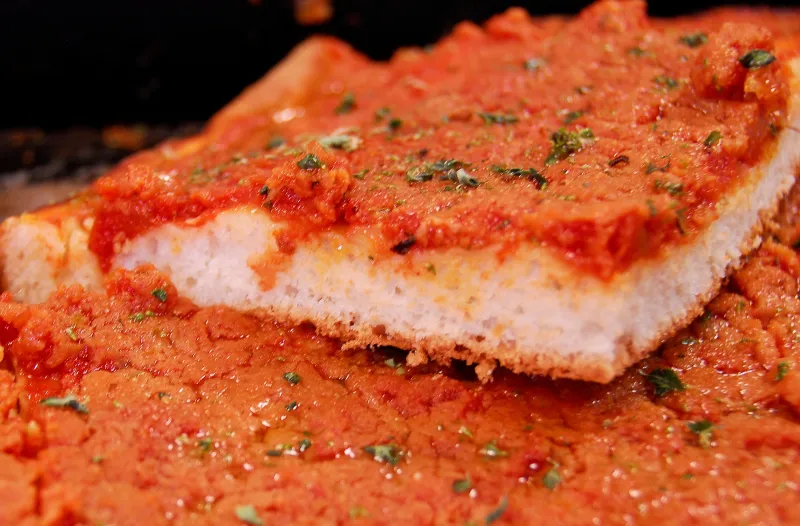
Read more →Tall, soft bread dough, tomato, onion, anchovies, oregano and caciocavallo: sfincione is Palermo's focaccia, cut into squares.
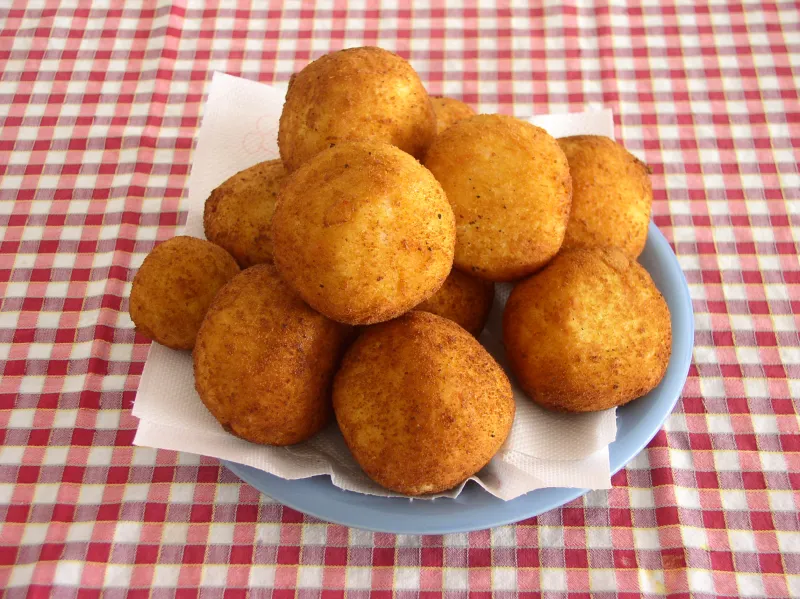
Read more →Saffron rice, ragù with peas and caciocavallo cheese inside a golden crust. Round and feminine in Palermo, pointed and called arancino in Catania: the quarrel is serious.
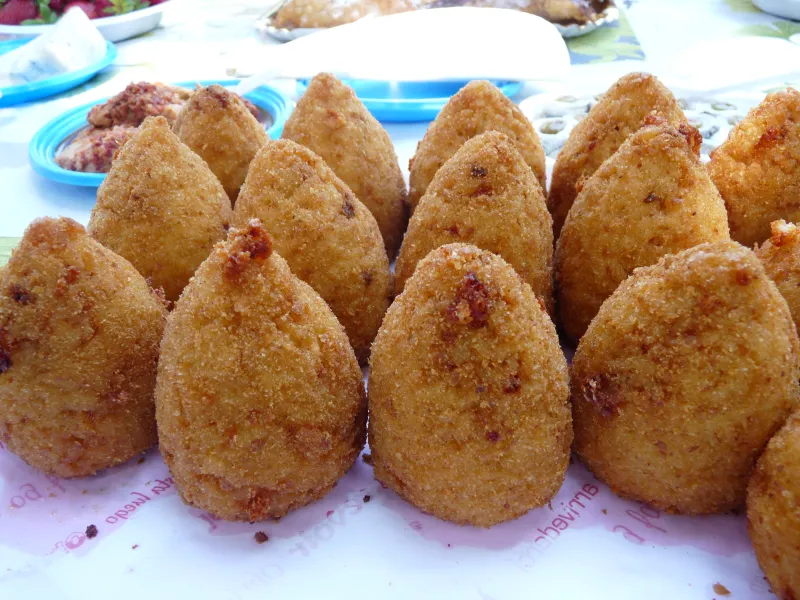
Read more →Saffron rice, ragù with peas and caciocavallo inside a golden cone-shaped crust: in Catania it is masculine and pointed, and the quarrel with Palermo over the name is serious.
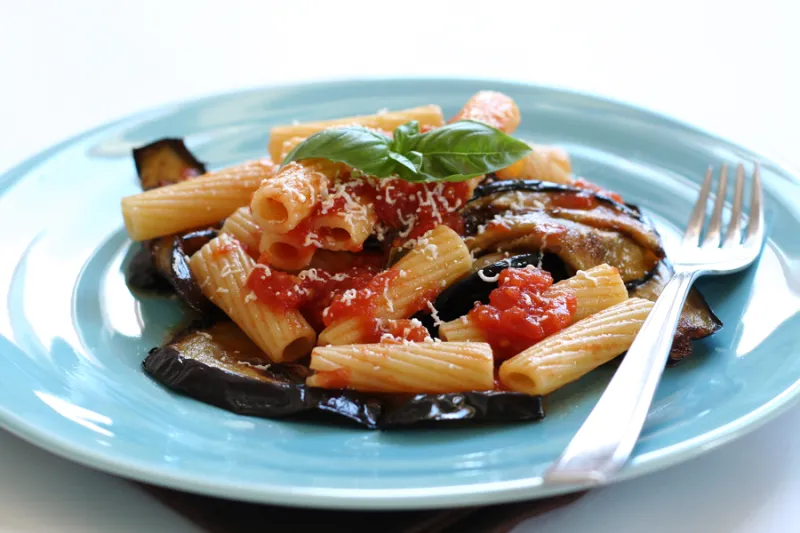
Read more →Fried aubergine, tomato sauce, basil and a snowfall of salted ricotta: Catania’s signature dish is named after the opera by Bellini, a native of the city.
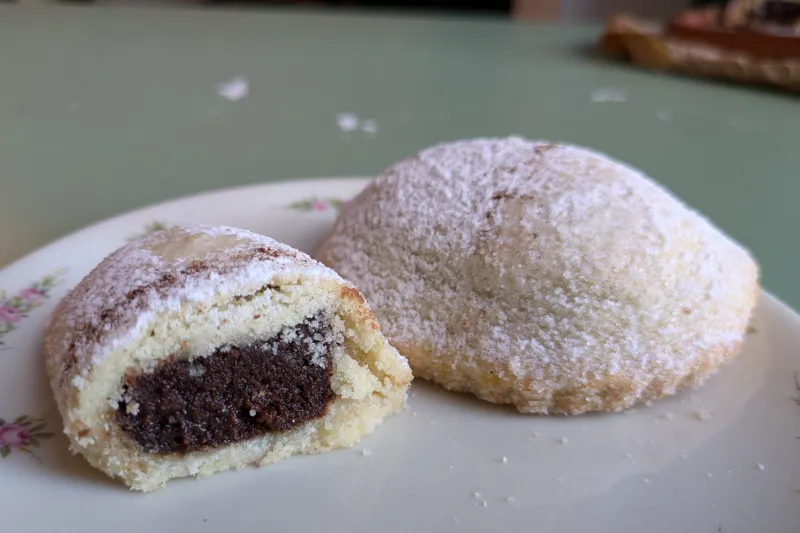
Read more →A golden half-moon of shortcrust dusted with icing sugar, hiding cocoa, chopped almonds and chickpea flour: the sweet of Agira, in the Erei mountains, a recognised traditional product with its own municipal denomination.
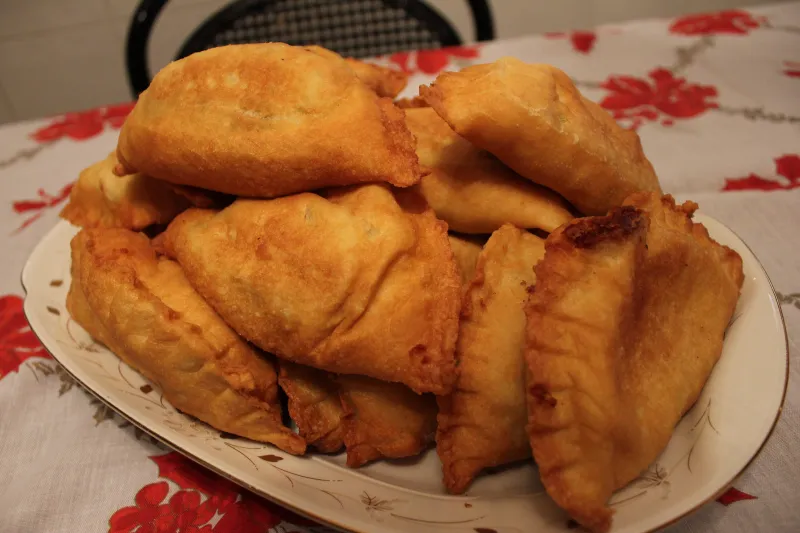
Read more →A thin sheet of dough folded into a half-moon and fried, with escarole, tuma cheese, anchovies and black pepper inside: Messina’s street food, to eat hot straight from the rosticceria.
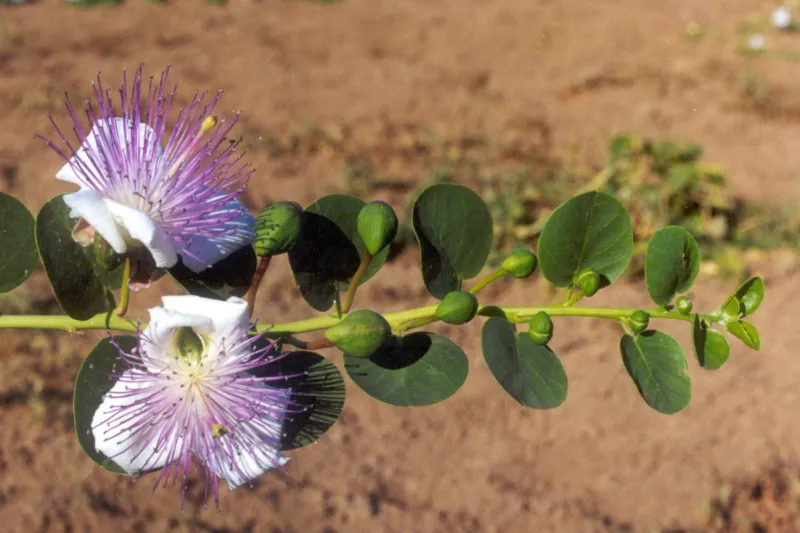
Read more →Not a fruit but a bud: it is picked before the flower opens, at dawn, and cured under sea salt. On the volcanic island of Pantelleria it has been PGI since 1996.
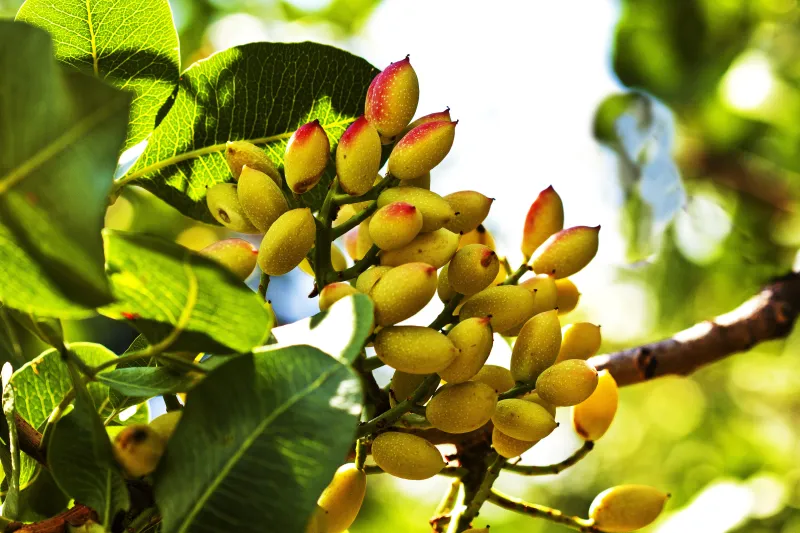
Read more →Emerald green and known as «green gold»: it grows on the lava slopes of Etna between 400 and 900 metres, is picked by hand every two years and is both PDO and a Slow Food Presidium.
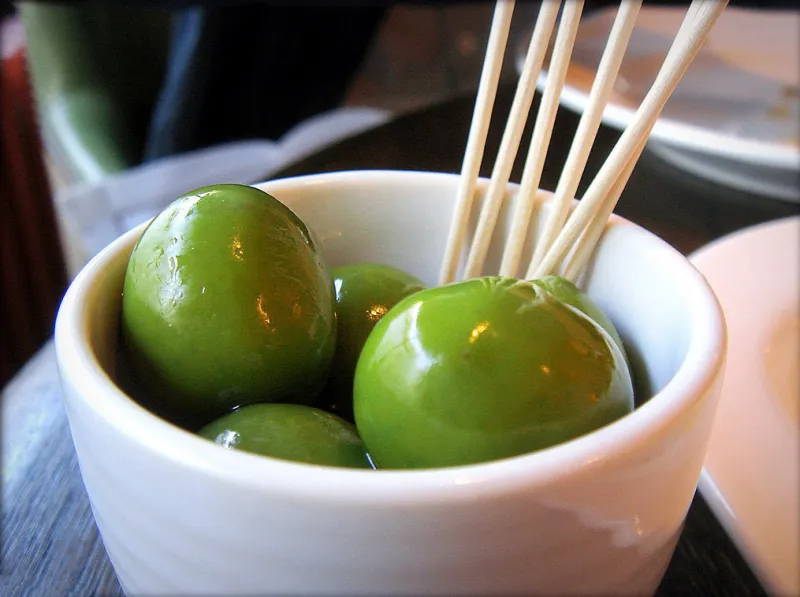
Read more →A large, green olive with firm flesh and a buttery flavour: Nocellara del Belice, sold in America as «Castelvetrano olive», has held DOP status since 1998.
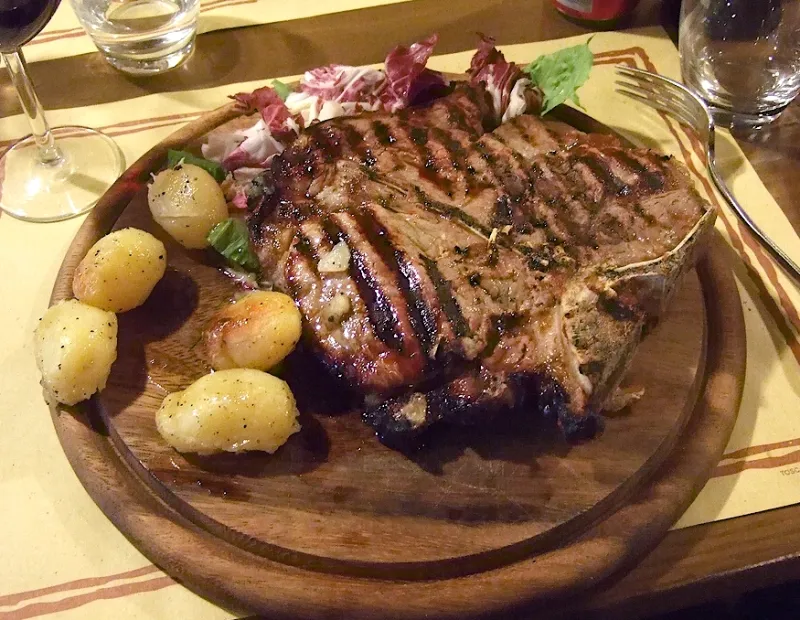
Read more →A T-bone cut from Chianina beef, grilled rare over embers with no seasoning at all: Florence's signature dish.
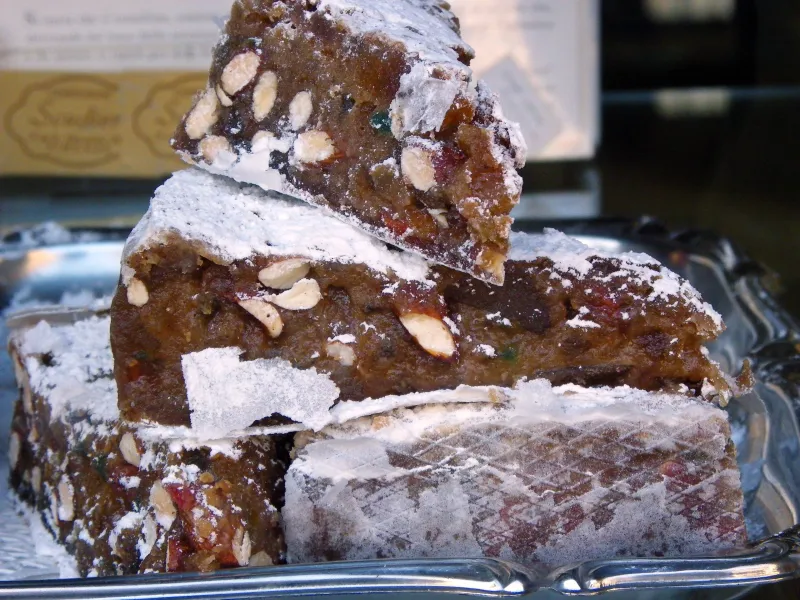
Read more →Almonds, candied fruit, flour, honey and spices pressed into a low disc: Siena's panforte has a recipe documented since 1205.
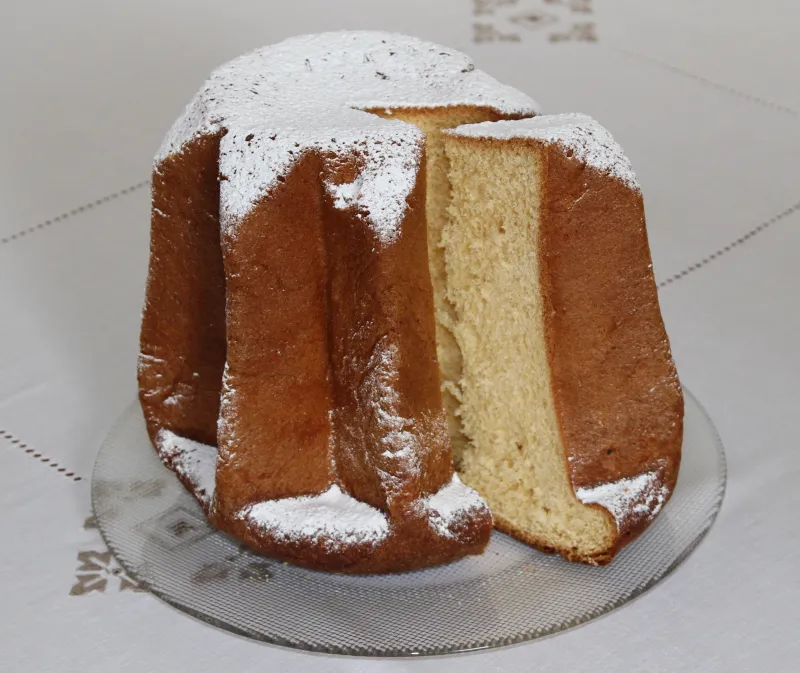
Read more →Eight points, powdered sugar like snow on a mountain: pandoro was born in Verona in 1894, patented by Domenico Melegatti.
Read more →Stockfish, milk, oil and anchovies, cooked for hours over the lowest heat: baccalà alla vicentina arrived from Norway with a shipwreck in 1432.
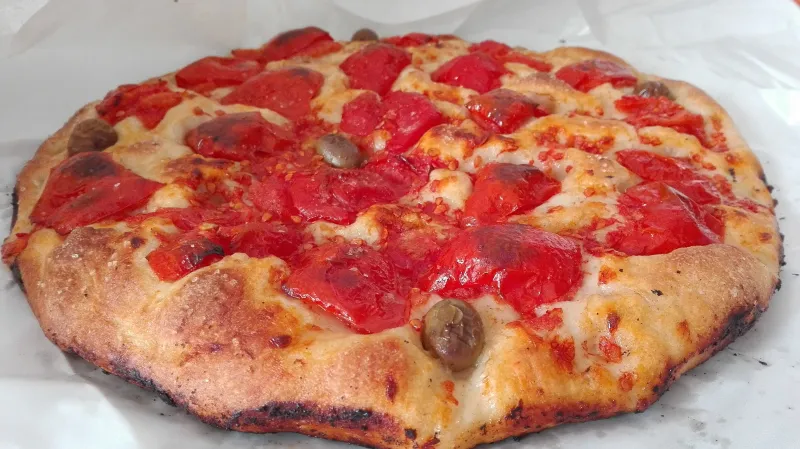
Read more →Semolina, boiled potato, hand-crushed cherry tomatoes and olives: focaccia barese began as a test piece in the ovens of Bari Vecchia.
Read more →A whole hazelnut on a heart of melted chocolate and chopped nuts, covered in dark chocolate: born in Perugia in 1922, it was first called «Cazzotto», punch.
Read more →Rye flour and semolina, dark crust, baked in the wood ovens of the Etna slopes: Nicolosi's black bread, the bread of hunger turned local landmark.
Read more →A roll filled with tuna, capers, salami and cheese: the Pasqualino, invented in Alberobello in 1958, now has its own festival.
Read more →Cooked grape must and wine vinegar aged in wooden barrels: Aceto Balsamico di Modena has held Protected Geographical Indication status since 2009.
Read more →Dry white wine, produced only within the town boundaries: Vernaccia di San Gimignano was the first Italian wine to receive DOC status, in 1966.
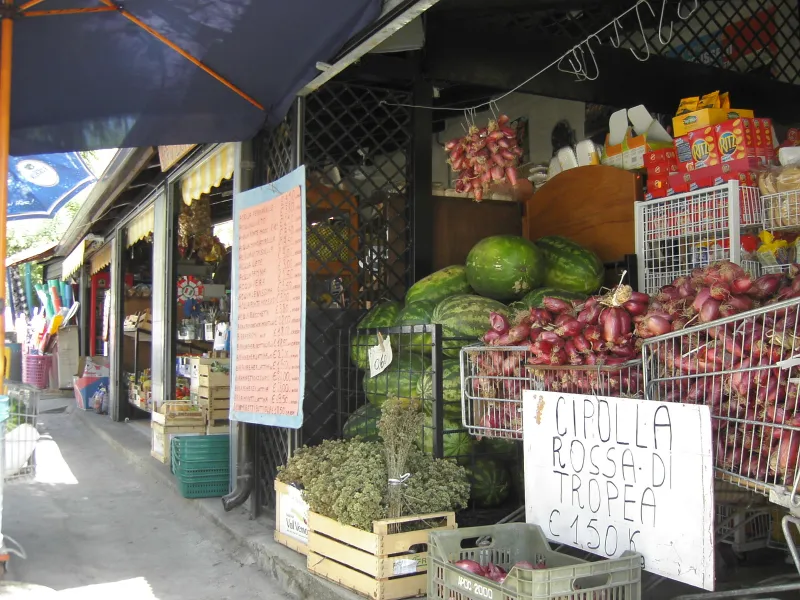
Read more →Sweet enough to go into ice cream, grown along a strip of Tyrrhenian coast: Cipolla Rossa di Tropea Calabria has held Protected Geographical Indication status since 2008.
Read more →A large, round artichoke head, the Romanesco type: Carciofo di Paestum, grown in the Sele plain since the 1920s, has held IGP status since 2004.
Read more →A white wine carved into Etruscan tufa history, toasted by Garibaldi's Thousand: Orvieto has held Denominazione di Origine Controllata status since 1971.
Read more →