Castello Aragonese ★
The Aragonese towers on the hill of the Greek walls, Reggio's other emblem.
 Museums Riace Bronzes – Archaeological Museum Two Greek warriors of the fifth century BC, found on the seabed in 1972 and kept in Reggio Calabria.
  Museums Museo archeologico nazionale di Reggio Calabria Home of the Riace Bronzes and all Magna Graecia, in the first Italian building born to be a museum.
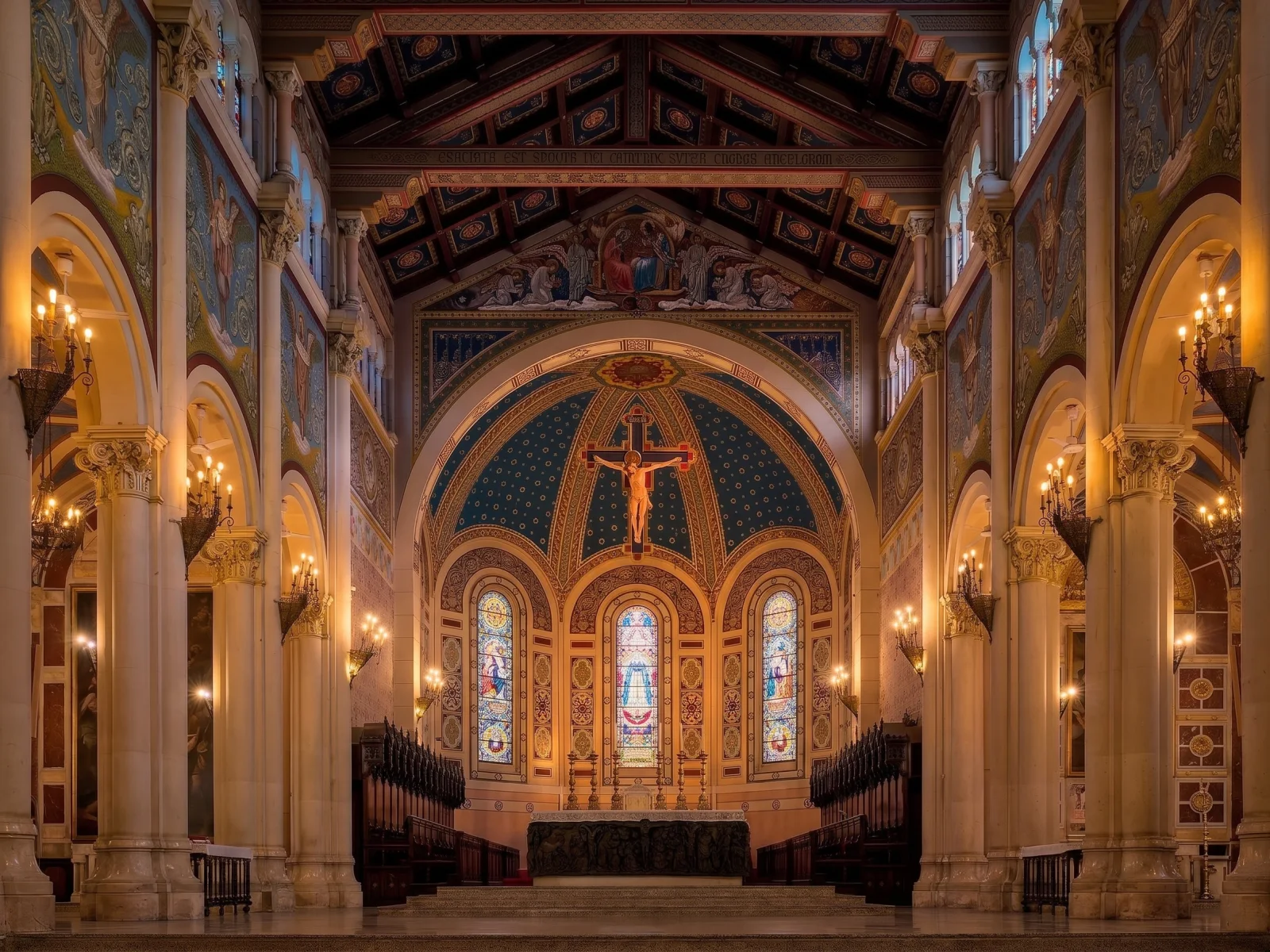
  Churches Duomo di Reggio Calabria Calabria's largest church, rebuilt after the earthquake that wiped out Reggio in 1908.
  Castles Castello Aragonese The Aragonese towers on the hill of the Greek walls, Reggio's other emblem.
  Museums Museo diocesano monsignor Aurelio Sorrentino Diocesan Museum Monsignor Aurelio Sorrentino in Reggio Calabria, founded in 1957 and opened in its current home in 2010.
 34 places covered in Reggio di Calabria Grouped by type, most important first.
No place with that name: try fewer letters.
The Aragonese towers on the hill of the Greek walls, Reggio's other emblem.
Palazzo San Giorgio in Reggio Calabria, rebuilt by Ernesto Basile after the 1908 earthquake and opened in 1922.
Palazzo Campanella in Reggio Calabria, seat of the Regional Council, housed the Riace Bronzes until 2013.
Palazzo Barbera on Reggio Calabria's seafront, designed in 1924, revised 1926, curved corner facing the sea.
Palazzo De Blasio in Reggio Calabria, the first public building rebuilt in 1911 after the 1908 earthquake.
Palazzo del Bufalo in Reggio Calabria, a Liberty-style building constructed between 1922 and 1926.
Palazzo del Monte dei Paschi di Siena in Reggio Calabria, a former Catanoso family residence in Liberty style.
Palazzo delle Finanze in Reggio Calabria, a neo-Renaissance building with Liberty influences.
Palazzo delle Poste in Reggio Calabria, neoclassical, on the site of a convent destroyed in 1908.
Palazzo Miramare in Reggio Calabria, a former hotel built after 1908 above Roman remains excavated in 1925-26.
Palazzo Melissari in Reggio Calabria, rebuilt on structures that survived the 1908 earthquake.
Palazzo Miccoli Bosurgi in Reggio Calabria, a classical-Liberty building from 1930 with an original corner balcony.
Palazzo Nesci in Reggio Calabria, built in 1824, the only building on Corso Garibaldi to survive the 1908 earthquake.
Palazzo Trapani Lombardo in Reggio Calabria, built after the 1908 earthquake in neoclassical and Liberty style.
Villa Nesci in Reggio Calabria, a Liberty-style gem built after the 1908 earthquake on the historic hillside.
Calabria's largest church, rebuilt after the earthquake that wiped out Reggio in 1908.
Church of San Francesco di Paola in Catona, Reggio Calabria, founded in 1629 and rebuilt after the 1908 earthquake.
Basilica dell'Eremo in Reggio Calabria, a Marian shrine rebuilt in 1965 after the 1908 earthquake.
Chiesa degli Ottimati in Reggio Calabria, of 10th-century Byzantine origin, rebuilt in 1933 after the earthquake.
Cattolica dei Greci in Reggio Calabria, the city's oldest church, rebuilt in 1876 after the 1783 earthquake.
Church of San Giorgio al Corso in Reggio Calabria, the city's patron saint, rebuilt in 1935 after the 1908 earthquake.
Orthodox church of San Paolo dei Greci in Reggio Calabria, built in 2009-2010 on the initiative of Athonite monks.
Church of Gesù e Maria in Reggio Calabria, rebuilt after 1908 in classical style, with «varette» in the crypt.
Church of Santa Lucia in Reggio Calabria, a parish since 1629, in its present Renaissance-style building from 1930.
Sanctuary of San Paolo in Reggio Calabria, Romanesque façade with nine niches and bronze portals on the saint's life.
Two Greek warriors of the fifth century BC, found on the seabed in 1972 and kept in Reggio Calabria.
Home of the Riace Bronzes and all Magna Graecia, in the first Italian building born to be a museum.
Diocesan Museum Monsignor Aurelio Sorrentino in Reggio Calabria, founded in 1957 and opened in its current home in 2010.
Teatro Cilea in Reggio Calabria, the region's largest theatre, opened in 1931 after the 1908 earthquake.
Villa Genoese Zerbi in Reggio Calabria, rebuilt in 1915 after the earthquake, today a high-end pastry venue.
Antigone Observatory on the 'Ndrangheta in Reggio Calabria, founded 2007 in a confiscated building.
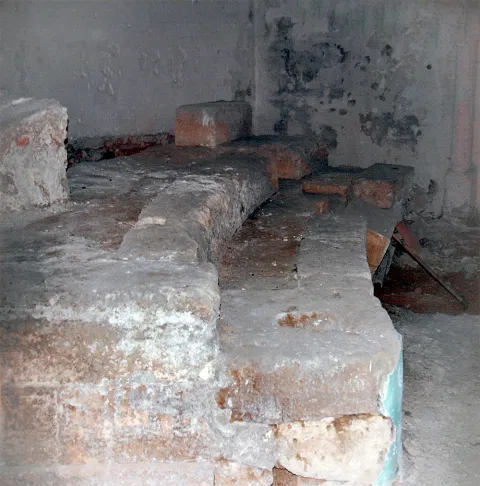
Bouleuterion of Reggio Calabria, remains of a 4th-century BC Greek building unearthed in 1921.
Piazza De Nava in Reggio Calabria, with Francesco Jerace's 1936 monument in front of the Archaeological Museum.
Lido comunale Zerbi in Reggio Calabria, a historic beach club completed in 1990, now abandoned.
The closest destinations covered by our editors, with straight-line distance.