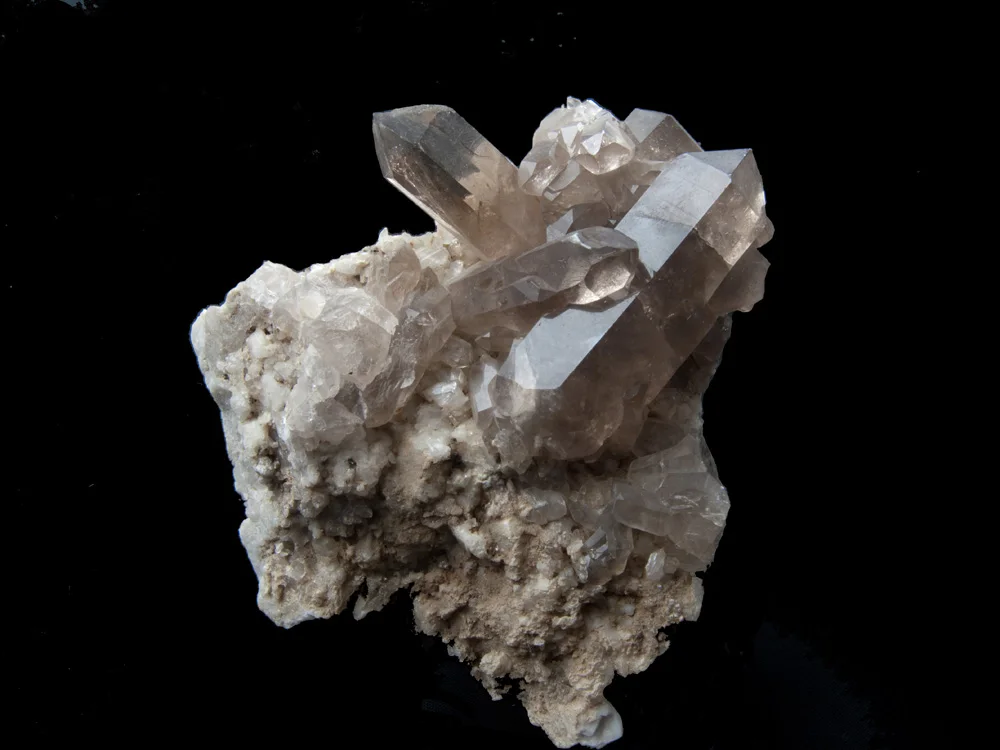
A thousand pieces in all: 750 minerals and around 170 fossils, collected since 1978 by the mineralogy group of the Cenacolo Italo Mus, the cultural circle of Saint-Vincent named after the Valdostan painter, which also runs the museum.
What to see
The collections have been shown in cases since 2011. Two new pavilions opened in 2018: the Great Minerals of Humanity, built on the work of the geologist Luca Ceragioli and devoted to copper, iron and gold, the metals whose extraction changed the history of civilisations; and the Green Stones pavilion, which follows oceanic rocks from the sea floor to the Alpine summits. The latter holds a sixteen-place lithotheque: on the ground floor the four mother rocks that make up the bed of every ocean, above them the rocks formed from those in the Alps as conditions changed.
Visiting
In March 2020 the museum, by then in piazza del Mercato, closed for enlargement work: check that it is open before you go. The approach is the one the geologist Francesco Prinetti asks of mineral collections: not only the beauty of the crystal, but the link between mineral, rock, mountain and Alpine labour.
Our editors' tip
This is not a museum of grand numbers and does not pretend to be: you come for the Valdostan pieces and to work out where the rocks you walk on in the valley come from. It works better with children than you would expect.