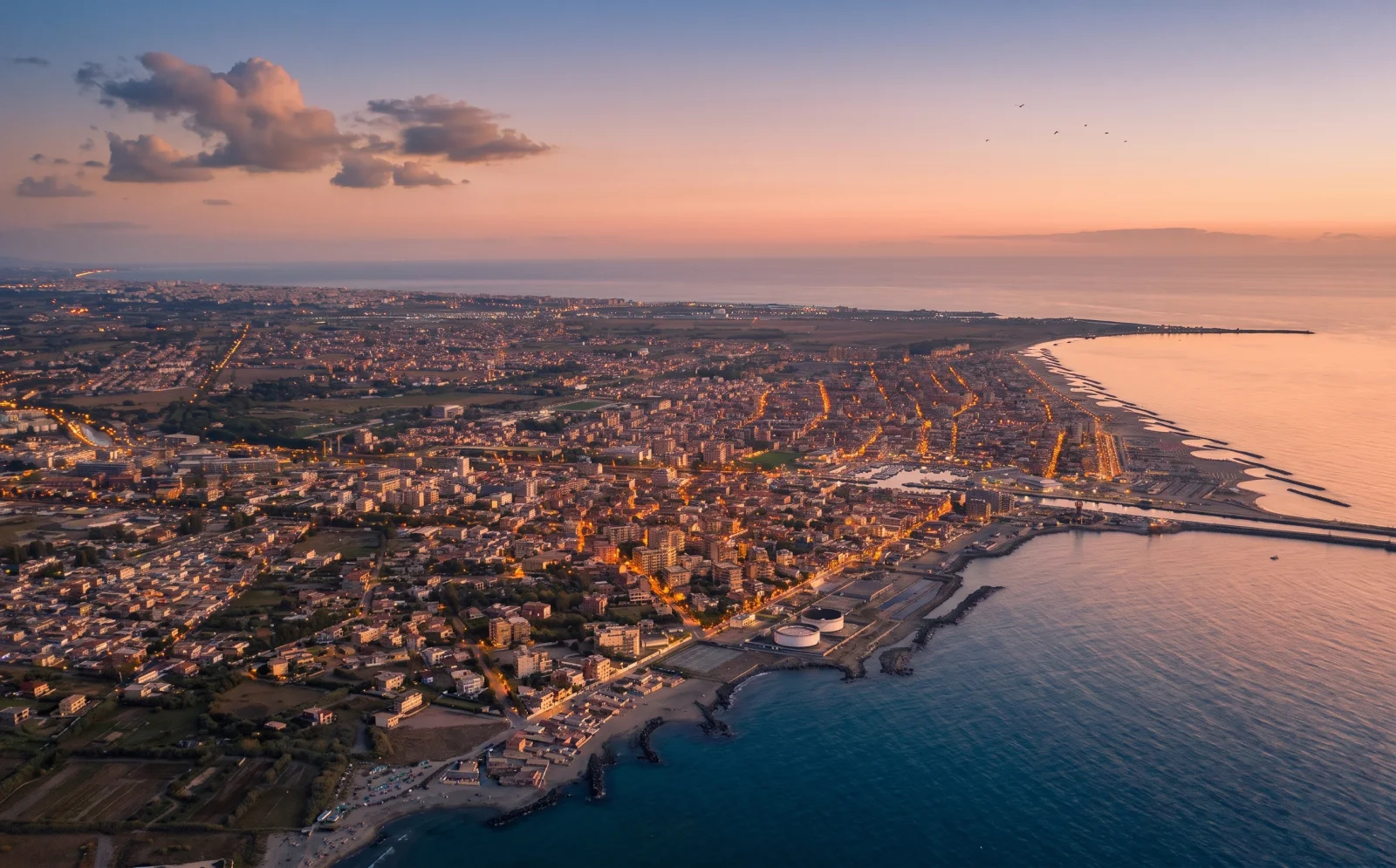
The Necropolis of Porto at Isola Sacra is a necropolis discovered in 1925 in the territory of Fiumicino, between the archaeological areas of Portus and Ostia Antica, within the Parco archeologico di Ostia antica. According to the sources it was the first large pagan cemetery of the Roman imperial period to be excavated; most of the digging was directed by Guido Calza.
What to see
It was found by chance in 1925 during reclamation works on the Isola Sacra, the island that arose near the mouth of the Tiber, formed artificially by the lengthening of the Fossa Traiana. The tombs flank the via Flavia-Severiana, which linked Ostia to Portus, and many are cell-type or family tombs: for this reason they have supplied much information on the social class of the settlement of Portus, which the necropolis served. The burials, built at different times, range from simple semicylindrical chests, plastered and painted red, to monumental house-shaped structures of a later date, often built over the chests, which were being buried by silting and a rise in ground level.
The necropolis has great historical value for the large number of inscriptions and marble and mosaic illustrations, useful for understanding aspects of the economic and social life of Roman society, especially of freedmen and the poor. According to the sources those buried there were mostly small professionals, shopkeepers, workmen, shipowners and porters, who despite humble origins built very elaborate tombs; the shift from cremation to inhumation can be read in the necropolis, and many inscriptions suggest Graeco-Oriental origins, in cosmopolitan towns like Portus and Ostia. Among the finds are exquisite sarcophagi, one with revelling putti for a child and one of the Archigallus, the head priest of the island, and simple terracotta reliefs painted on tombs to show the deceased's trades.
Visiting
The necropolis is in Fiumicino, in the Parco archeologico di Ostia antica, between Portus and Ostia Antica; the sources point to the park's official website. They give no hours or fees: check with the park.
Our editors' tip
The inscriptions on marble slabs tell the deceased's professions, and some tombs, according to the sources, recall the Hellenistic tombs of Petra: look for the painted terracotta reliefs that show the trade of the person buried there.


