Museo archeologico del territorio di Populonia
Piombino's museum on the ancient territory of Populonia, in the Citadel: it holds the silver Amphora of Baratti.
1 places covered in Piombino
No place with that name: try fewer letters.
Piombino's museum on the ancient territory of Populonia, in the Citadel: it holds the silver Amphora of Baratti.
Piazza Giovanni Bovio stands on the tip of the promontory of Piombino, at the end of the town axis formed by Viale del Popolo and Corso Vittorio Emanuele II. It was once called Piazzarella. Today's square was created in the twenties of the twentieth century, by demolishing in its final part the old Rocchetta, an eleventh-century fort on Etruscan foundations from which the town walls set off, and readapting the old buttresses. Further back in time, in 1809, Princess Elisa Bonaparte Baciocchi had turned Palazzo Appiani and the whole area into a penal colony, and the penitentiary stayed active throughout the nineteenth century.
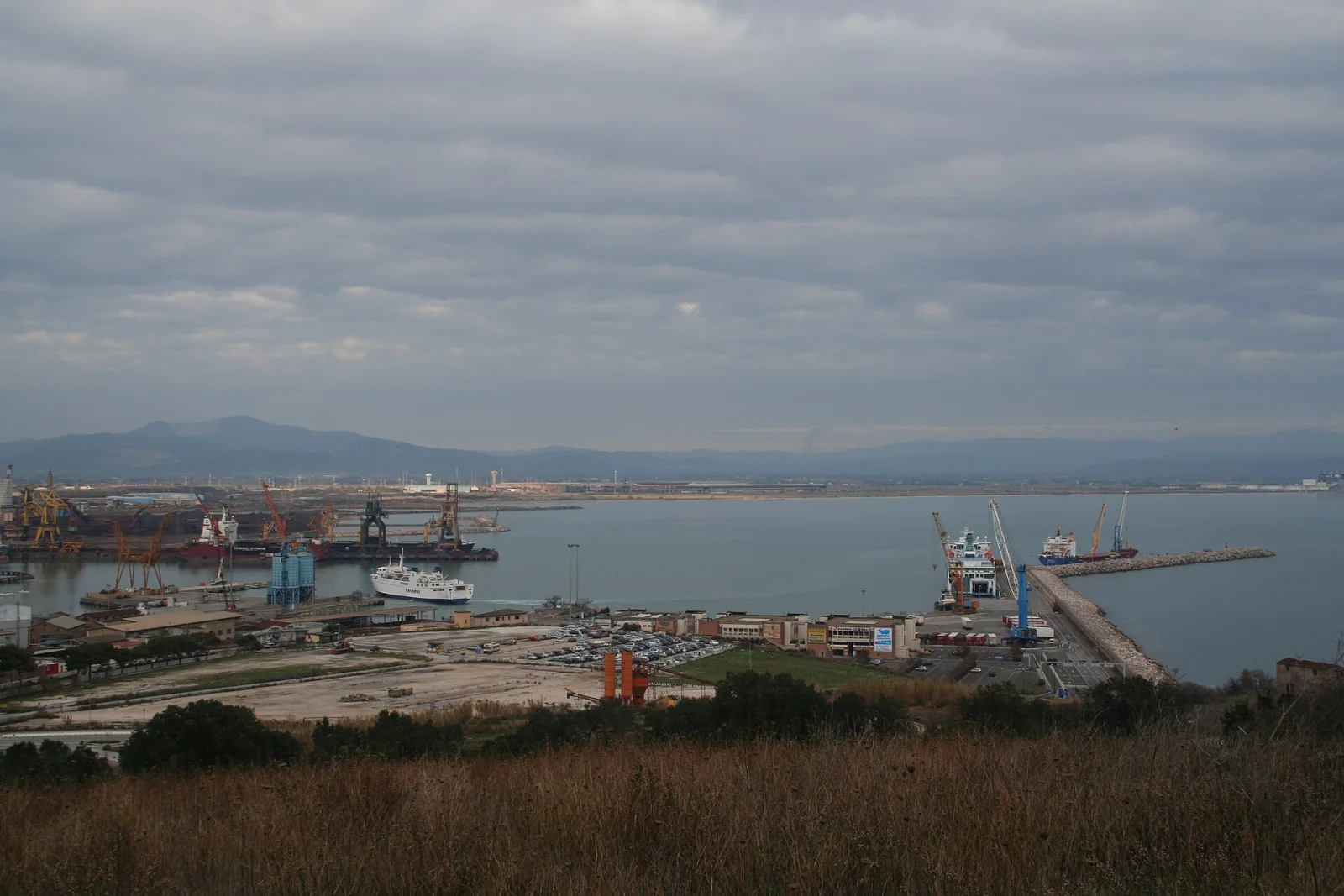
The square is a vast natural terrace jutting out over the sea, which embraces it on three sides and follows the shape of the cliff. The view over the Piombino channel is very wide and takes in much of the Tuscan Archipelago. Very close is the mountainous mass of the island of Elba; the two nearest islets are Cerboli and Palmaiola; you can also see Giglio, Montecristo and Capraia, and on clear days Corsica and Giannutri.
At the end of the terrace is the Rocchetta lighthouse, a small tower in neo-medieval style. Above the square and the old port rises Palazzo Appiani, the first residence of the lords of Piombino, from the middle of the fourteenth century.
The square is a public space, always accessible. Passing beside Palazzo Appiani you can reach the Porticciolo.
To put a name to the islands, look for the transparent plastic signs placed in the corners of the square: they are there precisely to identify them. On the paving is a compass rose in polychrome marbles, which in the remaking of the square took the place of a large walk-on panel with the map of the visible area.
The Etruscan Museum of Populonia gathers the finds of the private collection of the Gasparri family, owners of the lands of Baratti and Populonia where in the first half of the twentieth century the Etruscan necropolises were brought to light. It stands inside the Castle of Populonia, a small village in the municipality of Piombino, and is the oldest museum in the Val di Cornia: it was opened in 1943 by Giulia and Tommaso Gasparri. Its first nucleus was the finds assigned to the family as a finder's reward, equal to a quarter of the value of the discoveries, after the finds made on their land. Renewed in 1985, the museum was moved three years later into the castle's former oil mill, where it still is; in 2015 it was entirely redisplayed, and since 2019 it has been run by the Past in Progress group.
At the entrance is a large Roman dolium of the first century AD, found on the seabed east of Piombino: a terracotta container almost two metres high, six metres in circumference, which served to transport and store pulses, cereals, oil and wine. The first room has the grave goods of some Etruscan tombs; the Sala del Mare displays Etruscan and Roman amphorae, anchors of stone and lead, a millstone of lava stone. The lead stocks of the Roman anchors were used to hold down the nets for catching tuna: they confirm that near Populonia there was an ancient tuna fishery, as the Greek geographer Strabo indicated.
The last space deliberately keeps the antiquarian taste of the museum as it once was, with cippi, sarcophagi and a tomb «alla cappuccina». There is the sarcophagus from Poggio Malassarto, the only one with a carved lid to come from the necropolises of Populonia: it portrays a man half-reclining on the banqueting couch. The symbol of the museum is a palmette carved in low relief, which crowned a funerary stele of the fourth century BC.
Times and tickets should be checked with the museum before going up to Populonia. The route also has multimedia aids illustrating the history and human activities of the territory.
Among the bronzes look for a grater from the beginning of the sixth century BC. It was an object of the symposium: it served to grate cheese and spices to be mixed with wine, and in grave goods, together with kraters, cups and strainers, it signalled that the dead man belonged to the aristocratic class.
Skip the line and see the best with a guide: hand-picked tickets and tours.
Some links may earn BigItalia a commission, at no extra cost to you.
Bistecca alla Fiorentina
Compare hotels, B&Bs and holiday homes on Booking.com for your dates.
Next up: Saint Anastasia, patron of a town born from the decline of Etruscan Populonia, Saturday 8 May
Nearest airport: Pisa Galilei, 84 km away
The closest destinations covered by our editors, with straight-line distance.


