
Ronco means to clear land. The name comes from the medieval Latin runcare, to break in ground until then uncultivated, and that is what was done here: the first settlement dates from around the year 1000, and the name appears in a document of 1127.
As a comune, on the other hand, Ronco is a little over two hundred years old. In the old borgo of Villavecchia the oldest street is still called via Postumia, and it seems to follow for a stretch the Roman consular road that ran from Genoa to Aquileia by way of Libarna. The fief belonged to the bishops of Tortona, then to the Spinola. There are 4,558 residents.
The Ronco Scrivia guide
Experiences in Ronco Scrivia
What to see in Ronco Scrivia
 abbazia di Santa Maria al Porale Founded by Cistercians in 1208 for pilgrims on the Via Postumia, today a chapel with a fresco of 1446.
  castello di Borgo Fornari A semicircular brick tower above the road to Voltaggio, where Charles V and Philip II once stopped.
  chiesa di San Martino Finished in 1641 by the Scrivia, with Saint Martin frescoed on the façade.
  chiesa di Santa Maria Assunta The largest bells in the Scrivia valley, in a parish church rebuilt in Piedmontese Baroque.
 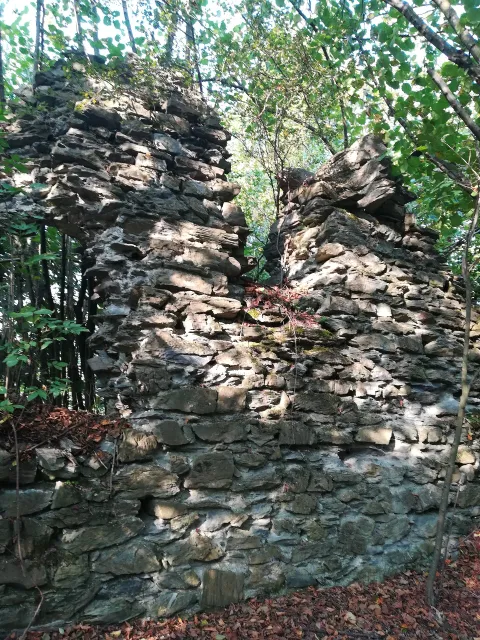 castello di Ronco Scrivia A fragment of squared-stone wall and four dates: all that survives of the Spinola stronghold.
  ponte medievale di Ronco Scrivia Four stone arches over the Scrivia: called medieval, in fact from the Spinola golden age.
 Straight-line distances from the town centre. Tap a point to open its page.
Near Ronco Scrivia
The closest destinations covered by our editors, with straight-line distance.


Places to see within 25 km
Outside Ronco Scrivia, but an easy day trip away.