The top floor holds a room that looks like a workshop: drawplates, a flat-roll laminating machine, tweezers and hand-shaped wooden tools. Many of those implements were built by the filigree workers of Campo Ligure themselves, and they are the rarest part of the museum, the industrial archaeology of a craft still practised in the village. The rest began in 1984, when the town council and commendatore Pietro Carlo Bosio placed in public hands the jewels Bosio had gathered around the world over a lifetime of research.
What to see
The collection, largely built from private donations, is arranged by geographical area of origin rather than by period, and the choice pays off: it lets you recognise the different working schools side by side. The route lines up pieces from four continents: Europe, with Italy and the Iberian peninsula; Asia, from China to the Middle East and India; Latin America; Africa.
Italian filigree gets the largest share, with the cities that shaped it: Genoa, Venice, Cortina d'Ampezzo, Florence, Rome and Trapani. The top floor is given over instead to local production and to the tool room, a museum inside the museum, where the old machinery alone is worth the ticket. The holdings are now regarded as the main European documentation centre on filigree.
Visiting
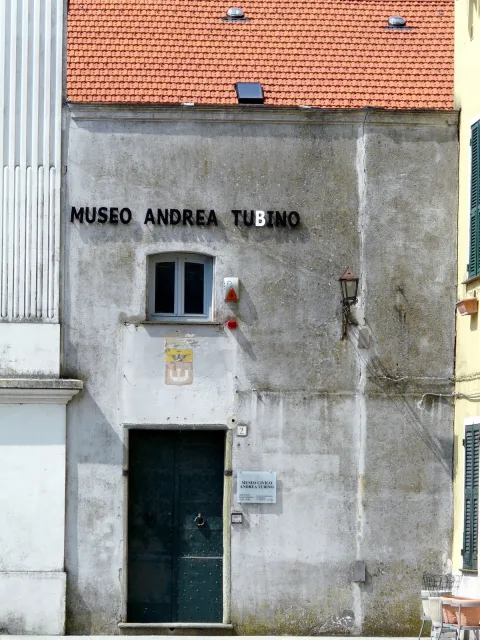
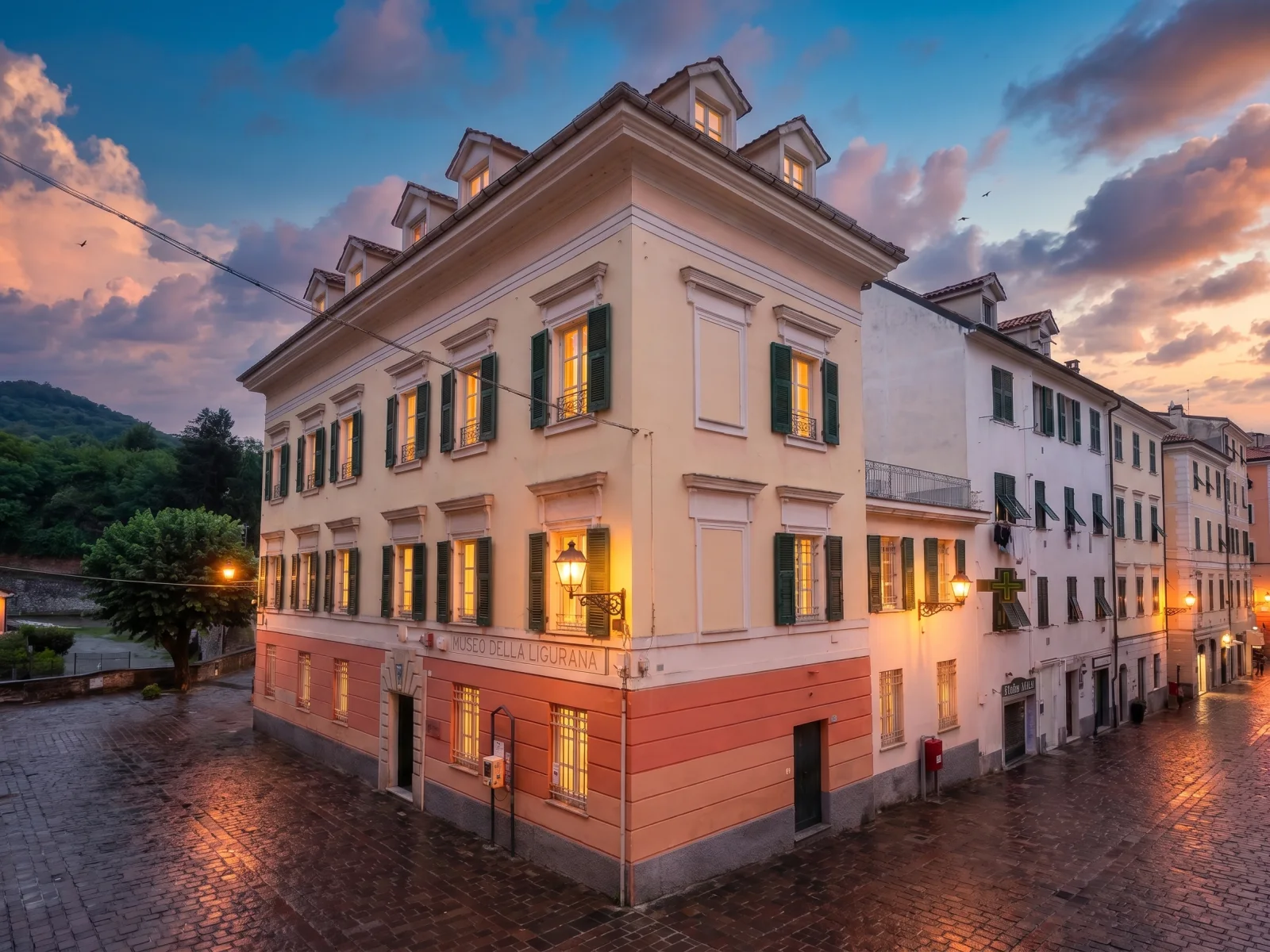
The museum stands in via della Giustizia, in the historic centre of Campo Ligure, in the Valle Stura. A multimedia display follows the stages of the work, and it is what makes everything else readable: the melting of metal into rods, the drawing down to a section of 2 mm through holes lined with industrial diamonds, the twisting of two silver wires into what is called filo granato, the rolling that flattens it and gives it its notched look.
Our editors' tip
Go up to the top floor and look at the tool room first, then come down to the jewels; the other way round works less well. Hunt for the trade words, because they are half the museum on their own: the bruscelle, the tweezers used to set the tiny coils, the ceramic tile called ciapêla on which the wire is worked, the legnetti used to shape the frame. Afterwards you no longer look at a piece in a case the way you did before.