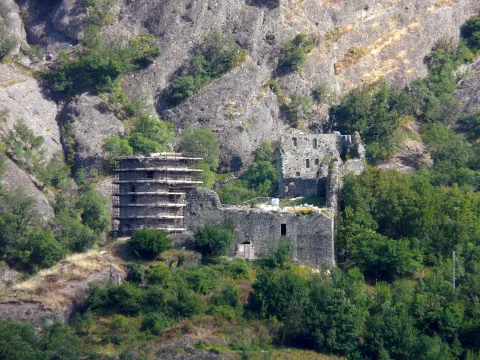
An institution that lasted a thousand years ended because of a storm. In the eighteenth century the monastery of San Salvatore was still intact and inhabited; then lightning struck the bell tower, and from there the decline began. Repairing a bell tower costs a great deal, and a community already thinned out cannot manage it: one night's damage becomes the end of a very long story.
What to see
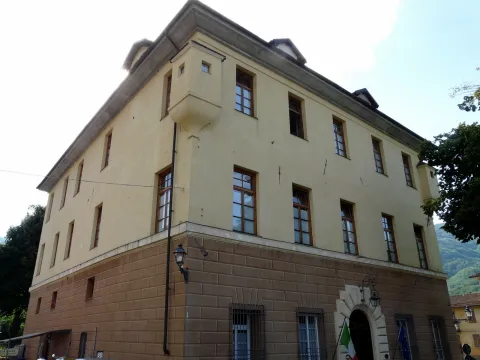
Little: what remains was absorbed from the nineteenth century onwards into the private houses of the village. But the sources have plenty to say. Tradition attributes the foundation, in 725, to the Lombard king Liutprand, passing through Savignone; documents earlier than the year one thousand speak precisely of land donated by the sovereign to build the monastery on.
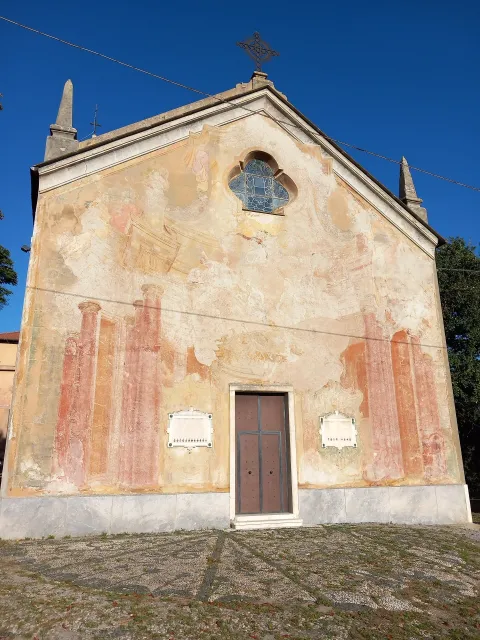
In the ninth century a pope granted it to the bishop of Lodi, under the diocese of Tortona. A bull of 1196 cites it as a dependency of an abbey in the val Borbera, and in the thirteenth century the church was enlarged, turned into a monastery and dedicated to San Salvatore. Excavations have yielded amphorae and sacred objects, and suggest there was a cemetery too.
Visiting
There is no monument to visit: the remains are inside private property in the centre of Savignone, in the Scrivia valley. You look at it while walking through the village, with no ticket and no hours. Ten minutes.
Our editors' tip
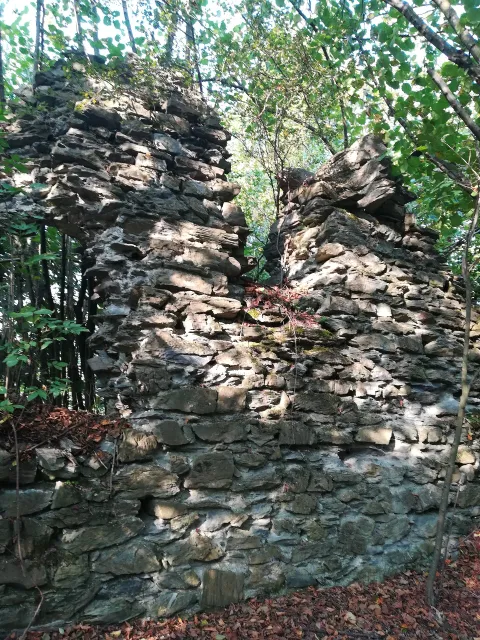
Walk looking at the walls of the houses, not at the fronts. Where an old building has been absorbed, the traces always remain: a stretch of older masonry, a blocked arch, a walled-up window at a height that has nothing to do with the present floors. You do not need an archaeologist, you need to raise your eyes as you walk.